Choosing between air freight and sea freight involves more than choosing the fastest or cheapest headline option. Businesses should evaluate the urgency of the goods, shipment characteristics, total cost, and delivery requirements before deciding.
When air freight may be a better fit
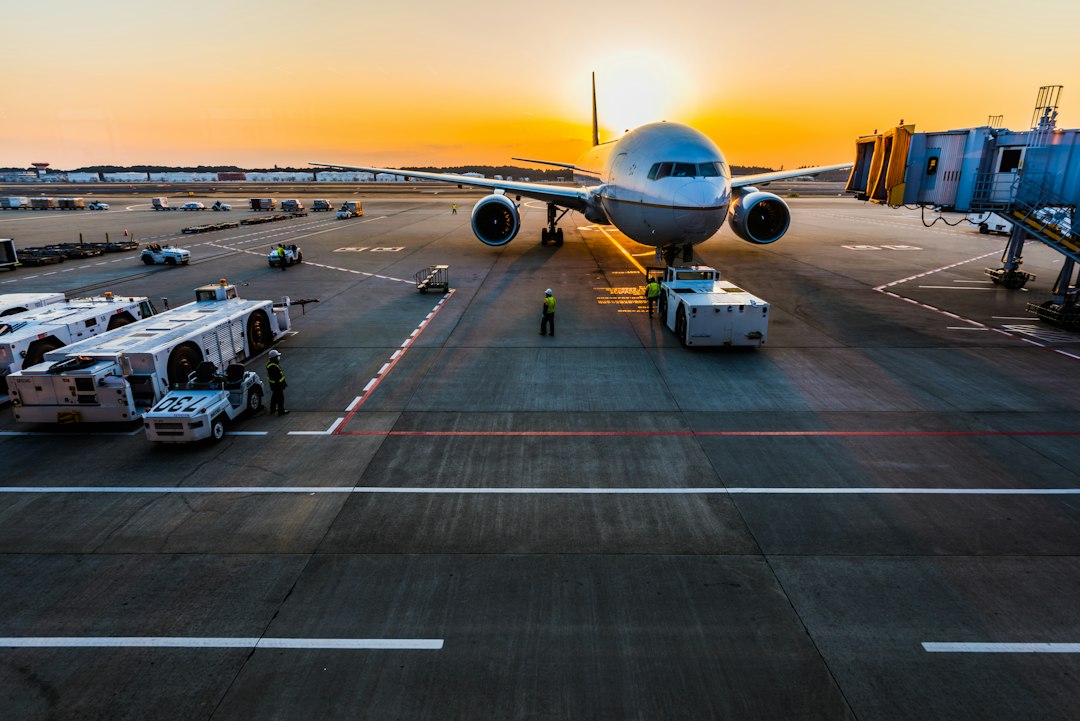
Air transport is often considered for time-sensitive shipments, smaller high-value consignments, replacement parts, urgent stock replenishment, and cargo where delivery speed matters more than the freight rate. Actual delivery time depends on flight capacity, airline schedules, security screening, documentation, customs clearance, and the final-mile journey.
When sea freight may be a better fit
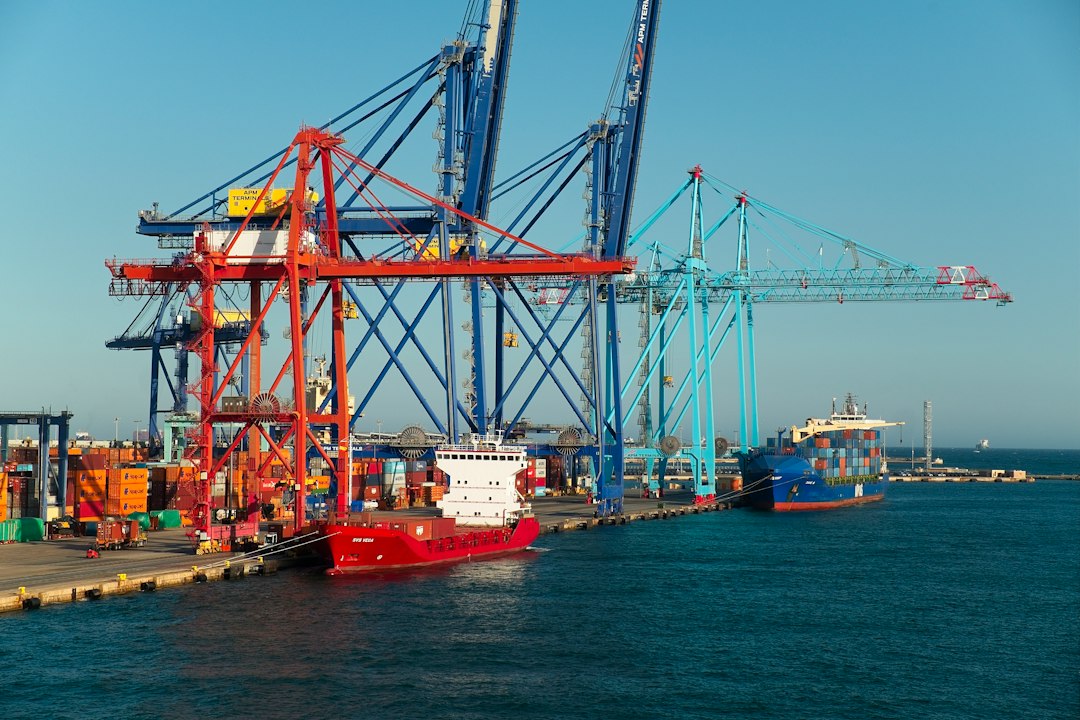
Sea freight is commonly considered for larger-volume, heavier, or less urgent cargo. It can offer better economics for substantial loads, especially when goods can be planned and ordered well ahead of the required arrival date. Allow time for port handling, sailing schedules, customs processing, and onward delivery.
Choose by business priority
Five questions to make the decision
1. What is the real delivery deadline?
Separate the date your cargo must leave from the date it must reach its final destination. Build in a realistic buffer for documentation checks and unexpected disruption.
2. What are the cargo's size and weight?
Air shipments are often priced using actual or volumetric (dimensional) weight, depending on the cargo and applicable tariff. Sea freight may be quoted per container or on a consolidated-volume basis. Accurate dimensions are essential for both.
3. What does a delay cost your business?
For an urgent production component, delayed delivery may cost much more than a higher freight rate. For replenishment stock with healthy inventory levels, lower-cost transport may make more sense.
4. Are there handling or regulatory restrictions?
Some commodities require special packing, documentation, or acceptance procedures. Dangerous goods, batteries, liquids, and temperature-controlled items can be subject to transport-specific rules. Confirm admissibility and requirements before choosing a mode.
5. What is the total landed cost?
Include origin collection, export processing, main transport, destination handling, applicable duties and taxes, and inland delivery where relevant. Ask for clear inclusions and exclusions in each quote.
A simple comparison
| Factor | Air freight | Sea freight |
|---|---|---|
| Typical priority | Speed and urgent delivery | Capacity and cost efficiency for volume |
| Best-fit cargo | Urgent, smaller, higher-value shipments | Bulky, heavy, or planned consignments |
| Pricing consideration | Actual or volumetric weight | Container or consolidated volume |
| Planning | Flight capacity and cargo acceptance | Sailing, port handling, and cut-offs |
What to send when requesting a quote
Share the cargo description, pickup location, final destination, gross weight, dimensions, package count, readiness date, and delivery deadline. With comparable information, it becomes easier to discuss realistic trade-offs.
Not sure which shipping mode fits your cargo? Contact Tadafuq Global Logistics to discuss options for your requirements. Get a freight quote.